Hardcore Mode Death Traps: 7 Fatal Build Mistakes Every Softcore Player Makes
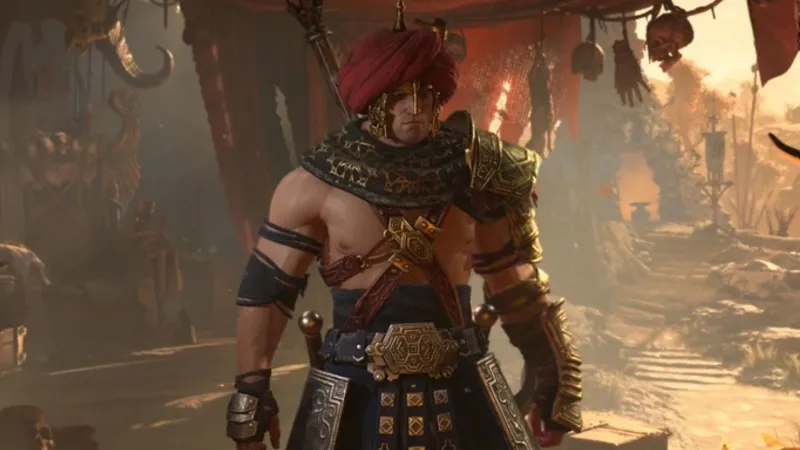
Photo: Diablo 4 hardcore mode dangerous dungeon combat character death scene, via editors.dexerto.com
You've conquered Hell difficulty. Your Softcore builds melt endgame content. You're ready for the ultimate challenge: Hardcore mode, where death means permanent character deletion. But hold up—that meta build dominating your Softcore experience? It's probably a death sentence waiting to happen.
Every season, thousands of confident players make the jump to Hardcore with their favorite builds, only to watch helplessly as their characters get deleted by mistakes they never saw coming. Let's break down the seven deadliest build philosophy errors that separate Hardcore survivors from the graveyard statistics.
Death Trap #1: The Glass Cannon Delusion
The Fatal Mistake: "I'll just play more carefully with my 900% damage multiplier build."
Reality Check: Sarah's Ice Shard Sorcerer was melting Pit 90 content in Softcore. Massive damage, minimal defense, relying on positioning and reflexes. She figured Hardcore would just mean "playing smarter." Three hours into her Hardcore journey, a single Fallen Lunatic explosion ended 40 hours of character progression.
In Softcore, you can afford to trade every defensive stat for damage multipliers because death is temporary. In Hardcore, that philosophy is literally suicidal. The math is unforgiving—you need to survive 100% of encounters, not 95%.
The Hardcore Fix: Cap your damage optimization at 70% of Softcore levels. That remaining 30% goes to defensive layers: resistances, damage reduction, crowd control immunity, and escape mechanisms. Yes, you'll clear content slower. No, that doesn't matter when the alternative is character deletion.
Practical Application: If your Softcore build has 15,000 life and 600% damage multipliers, your Hardcore version needs 25,000+ life and 400% damage multipliers maximum. The clear speed difference is negligible, but the survival difference is infinite.
Death Trap #2: Resistance Ignorance Syndrome
The Fatal Mistake: "Resistances are just quality-of-life stats."
The Death Story: Marcus ran a meta Hammer Barbarian build copied straight from a top Softcore streamer. Great damage, solid life pool, looked unstoppable. Then he encountered a Cold Enchanted elite pack in a Nightmare Dungeon. One frozen explosion dealt 80% of his health through what he thought was "decent" cold resistance. The follow-up attack finished the job.
Softcore players routinely ignore resistances because they can afford to face-tank occasional big hits. Hardcore demands mathematical precision—you need to know exactly how much damage you can survive from every element.
The Hardcore Truth: All resistances must hit 70% minimum, with your weakest element at 75%+. This isn't negotiable. Every point of resistance is exponentially more valuable in Hardcore because there's no "try again" button.
Advanced Strategy: Identify the most dangerous damage types for your class and prioritize those resistances first. Necromancers fear physical damage from charging enemies. Sorcerers struggle with lightning-fast projectiles. Build your resistance profile around your class's biggest threats.
Death Trap #3: The Crowd Control Vulnerability
The Fatal Mistake: "I can break out of stuns and freezes fast enough."
The Nightmare Scenario: Jessica's Poison Rogue build was a Softcore monster—incredible damage, solid mobility, decent defenses. But she never bothered with crowd control immunity because "rogues are too fast to get caught." One freeze effect in a pack of elites left her helpless for 2.5 seconds. In Hardcore, that's an eternity. Game over.
Crowd control immunity isn't just convenient in Hardcore—it's life insurance. The difference between 2 seconds of helplessness and immediate freedom is the difference between character survival and deletion.
The Solution: Every Hardcore build needs at least two crowd control immunity sources: one proactive (preventing effects) and one reactive (breaking free quickly). This might mean sacrificing damage aspects for utility, but dead characters deal zero damage.
Implementation Guide: Barbarians need Unstoppable skills maxed. Sorcerers require Teleport with crowd control break. Necromancers need bone armor variants. Druids must prioritize shape-shifting immunity frames. Rogues need smoke screen timing mastery.
Death Trap #4: The Resource Management Disaster
The Fatal Mistake: "I'll just chug potions when resources get low."
The Death Trap: Resource starvation in Softcore means slower clear speeds. Resource starvation in Hardcore means you can't cast defensive abilities when you need them most. David's Bone Spear Necromancer ran out of essence during a boss fight. No essence meant no bone armor, no corpse explosion escapes, no defensive options. The boss finished him while he waited for natural regeneration.
Hardcore builds must prioritize resource sustainability over burst potential. You need to maintain defensive capabilities throughout extended fights, not just deal massive damage in short windows.
The Hardcore Approach: Build for 150% of your estimated resource needs. If you think you need 100 mana per second, build for 150. The overhead ensures you always have resources for emergency defensive abilities.
Practical Metrics: Track your resource usage during long fights. If you ever drop below 30% resources during normal gameplay, your build has a fatal flaw waiting to happen.
Death Trap #5: The Mobility Neglect Error
The Fatal Mistake: "High DPS means fights end too fast to need mobility."
The Reality: Tom's Lightning Shred Druid could delete most enemies before they became threats. Great strategy for Softcore speedruns, terrible for Hardcore survival. When he encountered a Teleporter elite with adds, his lack of mobility options meant he couldn't reposition when surrounded. One bad positioning moment ended his character.
Mobility in Hardcore isn't about clear speed—it's about survival options. You need multiple ways to escape bad situations, even if those mobility skills reduce your overall damage output.
The Survival Framework: Every Hardcore build needs three mobility options: one for gap closing, one for escape, and one for repositioning during combat. These aren't DPS skills—they're life insurance policies.
Class-Specific Solutions: Sorcerers need Teleport variants. Barbarians require leap/charge combinations. Necromancers need corpse explosion positioning tools. Druids must master shape-shifting mobility. Rogues need dash/smoke combinations.
Death Trap #6: The Overconfidence Scaling Problem
The Fatal Mistake: "My build worked fine in early Hardcore levels, so it'll scale up."
The Trap: Early Hardcore content is forgiving. Enemies hit softer, move slower, have fewer dangerous abilities. Builds that cruise through Normal and Nightmare difficulties often hit walls in Hell difficulty that prove fatal. Lisa's budget Barbarian build dominated early Hardcore content, creating false confidence. When she pushed into Hell difficulty without adjusting her defensive layers, elite packs that previously tickled her suddenly dealt lethal damage.
Softcore players can push builds to their breaking point and learn from deaths. Hardcore players need to identify breaking points before they become fatal.
The Prevention Strategy: Test your build's limits in Softcore first. Identify exactly where defensive layers become insufficient, then build your Hardcore version with 50% more defensive capability than those breaking points.
Scaling Checkpoints: Every 10 character levels, verify your defensive benchmarks. If your resistances, life pool, or damage reduction percentages are falling behind, stop progressing and fix the gaps.
Death Trap #7: The Meta Build Copy-Paste Failure
The Fatal Mistake: "If it's good enough for top Softcore players, it's good enough for Hardcore."
The Final Lesson: Softcore meta builds optimize for speed, efficiency, and maximum damage output. Hardcore builds optimize for survival, consistency, and risk management. These are fundamentally different goals requiring different approaches.
Mark copied a popular Spiritborn build from a top streamer—perfect for pushing high-tier Pits in Softcore. The build assumed players could afford to take occasional big hits in exchange for maximum damage output. In Hardcore, "occasional big hits" mean character deletion.
The Hardcore Adaptation Process: Start with meta builds as templates, then modify aggressively for survival. Reduce damage multipliers by 30%, increase defensive layers by 50%, add redundant survival mechanisms, and prioritize consistency over peak performance.
Building for Immortality: The Hardcore Mindset Shift
Hardcore isn't just Softcore with permanent death—it's a completely different game requiring different priorities. Your build philosophy must shift from "how much damage can I deal?" to "how many things can go wrong without killing me?"
Every successful Hardcore player learns this lesson eventually. The question is whether you learn it from reading guides like this or from watching your characters get deleted. The choice is yours, but the graveyard is full of players who thought they could skip the education.
Remember: in Hardcore, the best build is the one that keeps you alive to play tomorrow. Everything else is just details.