Is Spiritborn Worth Playing? A Brutally Honest Season 7 Analysis

Photo: diablo 4 spiritborn class spirit animals gameplay abilities, via wow.zamimg.com
Let's address the elephant in the room: Spiritborn arrived with massive hype, but does it live up to expectations? After extensive testing across all content types, the answer isn't as straightforward as Blizzard's marketing would suggest. Here's what you actually need to know before committing your Season 7 journey to this new class.
The Good: Where Spiritborn Actually Excels
Mobility is King Spiritborn's movement options genuinely revolutionize how you approach Diablo 4's content. The class feels fluid in ways that make returning to traditional classes feel clunky. Whether you're navigating dense Nightmare Dungeons or repositioning during world boss encounters, Spiritborn's kit provides unmatched battlefield control.
The Jaguar spirit animal deserves special mention—its dash mechanics create gameplay possibilities that simply don't exist elsewhere. You'll find yourself taking risks and making plays that would be suicidal on other classes, simply because Spiritborn can escape situations others cannot.
Build Diversity Lives Up to Promises Unlike the community's initial skepticism, Spiritborn offers genuine build variety. The four spirit animal system creates meaningful choices rather than cosmetic differences. Eagle builds play completely differently from Gorilla builds, each requiring distinct gear priorities and skill rotations.
Quill Volley builds focus on rapid-fire ranged combat, while Ravager builds excel at close-range burst damage. Centipede builds offer unique poison-based gameplay that feels fresh after years of fire/ice/lightning elements. This isn't just marketing fluff—the playstyles genuinely differ.
The Reality Check: Where Spiritborn Falls Short
Damage Ceiling Disappointment Here's the uncomfortable truth: Spiritborn's damage ceiling sits noticeably below top-tier Sorcerer and Barbarian builds. While the class performs adequately in most content, it struggles to match the raw output that defines current meta builds.
This becomes particularly apparent in high-tier Pit pushing, where every percentage point of damage matters. Spiritborn builds top out around Pit 80-85, while optimized Bone Spear Necromancers and Lightning Sorcerers push well beyond Pit 100.
Itemization Feels Incomplete Spiritborn's unique items lack the game-changing impact found in other classes' arsenals. While items like Rod of Kepeleke provide solid bonuses, they don't create the build-defining moments that make Shako or Harlequin Crest feel essential.
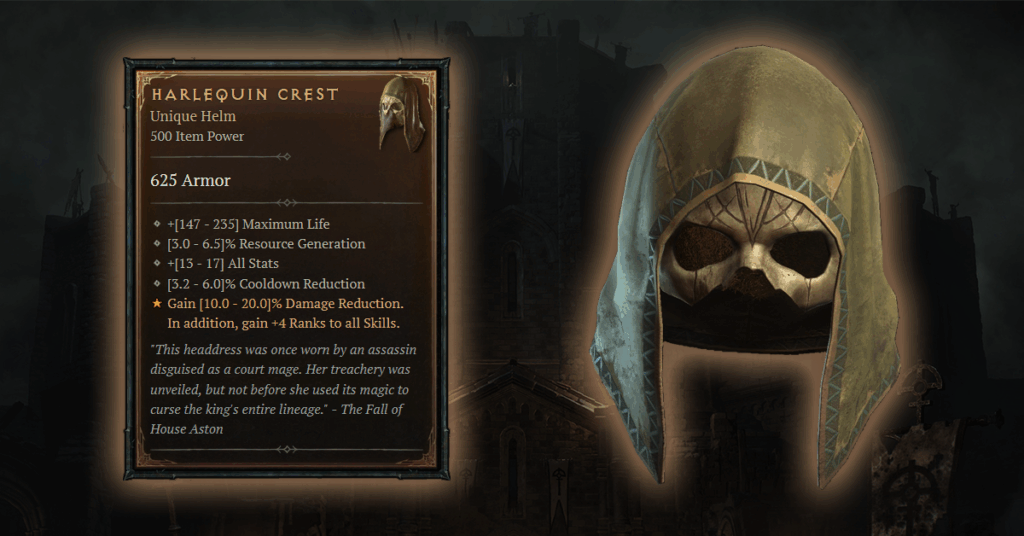 Photo: Harlequin Crest, via www.exitlag.com
The class relies heavily on generic Legendary aspects rather than unique items that fundamentally alter gameplay. This creates a gear progression that feels less exciting compared to hunting for class-specific game-changers on established classes.
Comparing Against the Competition
Versus Sorcerer: Sorcerer maintains its position as the premier ranged damage dealer. While Spiritborn offers superior mobility, Sorcerer's damage output and crowd control capabilities remain unmatched. For players prioritizing raw power over movement, Sorcerer wins decisively.
Versus Barbarian: Barbarian's recent buffs have created an interesting dynamic. Spiritborn offers more engaging gameplay mechanics, but Barbarian's straightforward approach delivers superior results with less complexity. Casual players might prefer Spiritborn's variety, while efficiency-focused players lean toward Barbarian.
Versus Necromancer: This comparison highlights Spiritborn's core issue. Necromancer's minion management creates strategic depth while maintaining top-tier damage output. Spiritborn's spirit animal system provides variety but lacks the strategic complexity that makes Necromancer engaging long-term.
The Endgame Reality
Torment Difficulty Performance Spiritborn handles Torment difficulty adequately but doesn't excel. The class can clear content at acceptable speeds, but you'll notice the difference when grouping with optimized meta builds. This gap becomes more pronounced as difficulty increases.
World Boss Efficiency Here Spiritborn shines relative to its overall power level. The class's mobility allows for superior positioning during chaotic encounters, often resulting in fewer deaths despite lower damage output. For players who struggle with positioning on other classes, this represents genuine value.
Common Player Frustrations
Complexity Without Payoff Spiritborn's spirit animal system adds mechanical complexity without proportional power gains. Managing four different animal spirits feels engaging initially, but the novelty wears off when you realize the effort doesn't translate to superior performance.
Gear Acquisition Struggles Finding optimal Spiritborn gear requires farming the same content as other classes while competing for fewer relevant drops. The class's unique items have lower drop rates without offering game-changing benefits, creating a frustrating progression experience.
Who Should Play Spiritborn?
Perfect for These Players:
- Newcomers wanting a fresh experience without overwhelming complexity
- Veterans bored with established class rotations
- Players who prioritize engaging gameplay over optimal efficiency
- Solo players who value mobility and survivability over raw damage
Avoid if You Are:
- Focused on pushing the highest possible Pit tiers
- Primarily interested in group play optimization
- Seeking the most efficient farming experience
- Limited in playtime and want maximum progression per hour
The Verdict: Proceed with Realistic Expectations
Spiritborn isn't the meta-defining powerhouse that pre-expansion hype suggested, but it's not a failure either. The class delivers on its promise of fresh gameplay mechanics while falling short of competitive endgame performance.
If you're approaching Season 7 with specific progression goals—pushing Pit 100+, optimizing world boss clear times, or maximizing farming efficiency—established classes remain superior choices. Sorcerer, Necromancer, and Barbarian offer more direct paths to these objectives.
However, if you're seeking engaging gameplay that feels different from Diablo 4's launch classes, Spiritborn delivers genuine value. The mobility options alone justify experimentation for players tired of traditional positioning requirements.
Final Recommendation
Play Spiritborn if you want something different, not if you want something better. The class succeeds as a refreshing alternative while failing as a competitive upgrade. For many players, that distinction makes all the difference.
Spiritborn represents Blizzard's successful attempt at expanding Diablo 4's gameplay variety without breaking existing balance. Whether that's enough depends entirely on what you're seeking from your Season 7 experience.
The class earns a solid recommendation for players prioritizing enjoyment over optimization, with the caveat that endgame progression will require more effort than meta alternatives provide.