Season 7 Launch Day Playbook: The Hour-by-Hour Plan That Puts You Miles Ahead
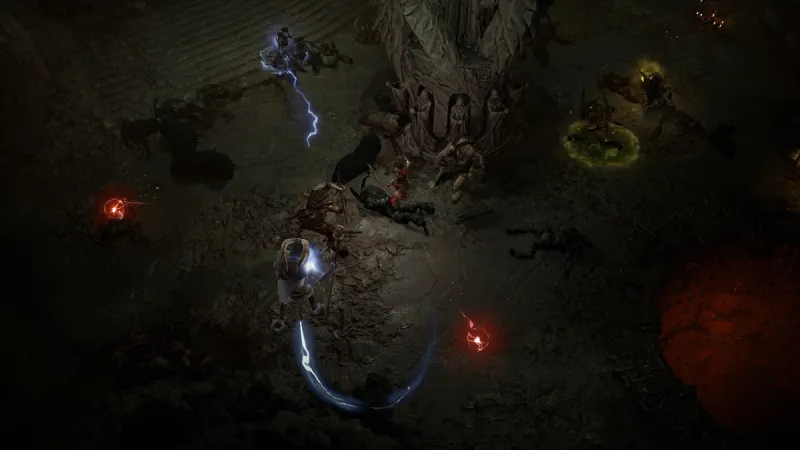
Photo: Diablo 4 season launch character running through dark dungeon glowing portal, via cdn.vox-cdn.com
Season launch day in Diablo 4 has a particular energy — that mix of excitement and low-key anxiety as you wonder if you're making the right calls while everyone else seems to be leveling faster, finding better loot, and somehow already running Nightmare Dungeons. The truth is, most players don't have a plan. They just play.
You're going to have a plan.
This isn't about grinding 16-hour sessions or no-lifing the first weekend. This is about making smarter decisions at the moments that actually matter — the choices that compound over 48 hours into a character that's weeks ahead of someone who played just as much but without direction.
Before You Log In: The 20-Minute Prep Window
The work before the work matters more than most players realize.
Spend 20 minutes before season launch confirming your build choice. Not theorycrafting — confirming. Pick one build, know its leveling skills (which are often different from its endgame skills), and bookmark the gear Aspects you're hunting. Write down the three most important Aspects for your build. You should be able to name them without looking.
Also decide your campaign stance right now: skip or play through? For Season 7, the skip is almost always the right call for players who have already completed the campaign on any character. The XP from campaign quests is real, but the time cost of cutscenes, travel, and mandatory story pacing slows your leveling momentum significantly. Skip the campaign. Get to Kyovashad. Start moving.
Hours 1–3: The Leveling Foundation
Your only job in the opening hours is efficient XP. Resist the urge to chase every event marker or explore zones you don't need. The fastest leveling path in Season 7 runs through a combination of cellars, side dungeons, and targeted Tree of Whispers caches — not open-world wandering.
Priority routing for Hours 1–3:
- Clear cellars whenever they appear on your path — they're fast, dense, and often drop early Legendaries.
- Target dungeons with high monster density in Fractured Peaks and Scosglen for your first 15 levels.
- Pick up every Whispers objective that's on your route. Don't detour more than 30 seconds for any single Whispers task.
- Turn in Whispers caches as soon as you hit 10 Grim Favors. The gear from caches at this stage is a meaningful upgrade window.
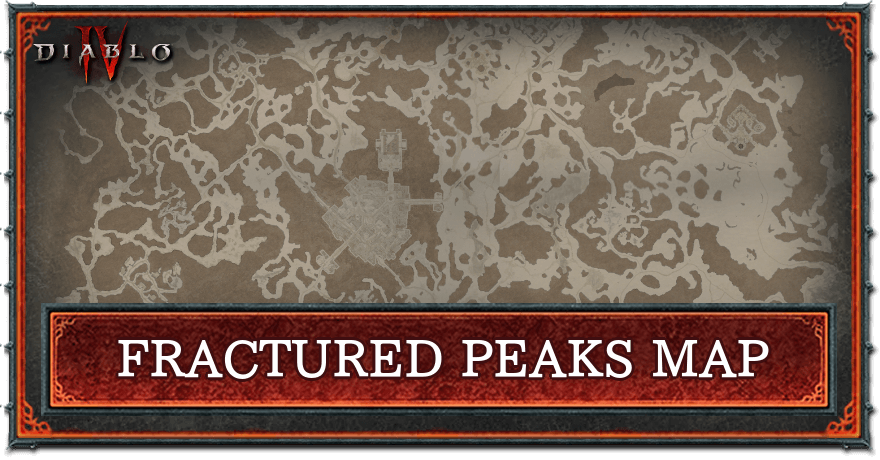 Photo: Fractured Peaks, via img.game8.co
Don't worry about Sacred or Ancestral gear yet. You're not there. Focus on staying in the leveling flow.
Hours 3–6: The First Build Pivot
Around level 25–35, you'll hit the point where your leveling skills start to feel weak and your build's core loop isn't fully online yet. This is the danger zone where impatient players start swapping skills randomly and lose build coherence entirely.
Stay the course — but do make one specific adjustment: check your Codex of Power for your two most important leveling Aspects and imprint them onto whatever weapons you're currently using. Don't wait for "good" gear to imprint. A mediocre weapon with your core Aspect active outperforms a higher item power weapon without it.
This is also the window to start prioritizing Helltide. Once you're in the mid-30s, Helltide Cinders farming is the most efficient way to push item power in a short time. Focus Cinder spending on your two most important gear slots — usually your weapon and your chest piece.
Decision point: World Tier 2 → 3 Push Cathedral of Light (the World Tier 3 capstone dungeon) as soon as you feel comfortable in the high 40s, ideally before level 50. Don't wait until you're overleveled. The Sacred gear that starts dropping in Tier 3 will accelerate your remaining levels significantly.
Hours 6–12: Nightmare Dungeon Timing
You should be approaching or hitting level 50 by this window if you've been efficient. Now the real season begins.
Your first priority at level 50 is unlocking Nightmare Dungeons. Run the Tier 1–5 range to start — these are fast, safe, and generate Sigil Powder for crafting higher-tier Sigils. Don't skip ahead to higher Nightmare tiers before your build is functional. A slow clear at Tier 10 earns less XP per hour than a fast clear at Tier 5.
The Nightmare Dungeon timing rule: Push up one Tier when your clear time drops below 4 minutes consistently. If you're clearing in under 3 minutes, jump two Tiers. This keeps you in the sweet spot of challenge and efficiency without hitting a wall that stalls your progress for an hour.
Also start your Glyph leveling now. Pick the two Glyphs most central to your build and run every Nightmare Dungeon with the intention of leveling those two first. A Glyph at level 15 is a fundamentally different power level than a Glyph at level 1.
Hours 12–24: Crafting Investment Decisions
By the end of your first full day, you should be in the level 60–70 range and starting to see Ancestral gear. This is where crafting decisions start to matter.
Early crafting priority order:
- Tempering your weapon first — this is your highest damage multiplier and the single best crafting investment at this stage.
- Enchanting your amulet for a missing key affix before spending resources on other slots.
- Masterworking only when a piece of gear is clearly staying with you for 5+ levels. Don't Masterwork gear you'll replace in two hours.
Save your Obols. Spend them only on your two weakest gear slots. The gambling economy in Diablo 4 rewards patience — one good Obol roll on a ring or amulet can carry you further than spreading Obols across every slot.
Hours 24–48: The Competitive Edge
This is where the plan pays off. Players who spent the first 24 hours wandering are now hitting the walls you've already cleared. You're in Ancestral gear, your Glyphs are leveling, and your Nightmare Dungeon tier is climbing.
The 24-hour decision point: Evaluate your build honestly. Is the damage output meeting your expectations in Nightmare Tier 20+? If yes, push harder content and start targeting Uber Unique farming materials. If no, identify the single weakest link — usually one missing Aspect or one underleveled Glyph — and fix that before pushing higher.
By hour 48, a player executing this plan will be pushing Nightmare Tier 40–60, have two core Glyphs at level 15+, and have a clear picture of their remaining gear gaps. That's not a marginal advantage. That's weeks of progress compressed into a weekend.
The players who get there aren't necessarily playing more. They're just making better decisions at the right moments.