Season 7 Launch Survival Guide: Your Hour-by-Hour Roadmap From Level 1 to Nightmare Dungeons
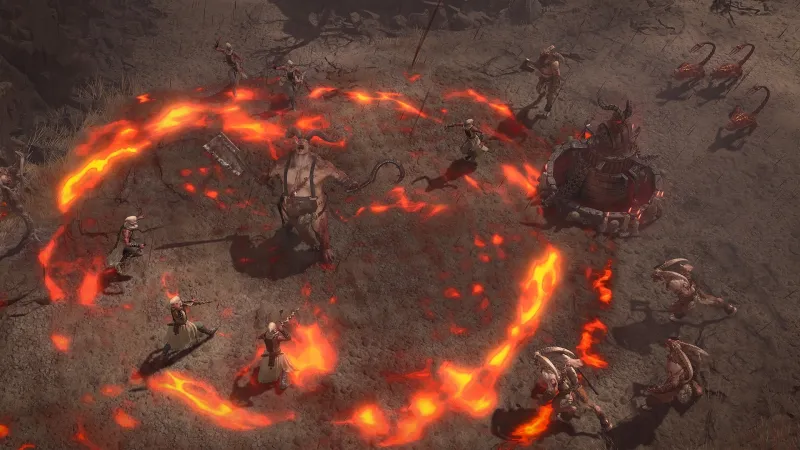
Photo: Diablo 4 character running through dark dungeon season launch gameplay action, via assetsio.gnwcdn.com
New season. Fresh characters. Absolute chaos. The first 48 hours of a Diablo 4 season are some of the most exciting — and most wasteful — gaming hours you'll spend all year if you don't have a plan. Players scatter in a dozen different directions, chase shiny gear before they're ready, and end up hitting a wall at level 60 wondering why their build feels broken.
This guide fixes all of that. Whether you're a casual player who wants a clear path forward or a competitive grinder racing toward early leaderboard placement, here's the roadmap that makes your first 48 hours actually count.
Hours 0–4: The Foundation Phase
Pick Your Class With Purpose
Before you even hit Start, know what you're playing and why. If you're following a specific build guide, make sure it's been updated for Season 7 — patch changes between seasons can completely invalidate skill breakpoints and item interactions. Don't start a class based on last season's meta without checking.
Class-specific callouts:
- Necromancer / Spiritborn: Both have strong early-game momentum. Prioritize skills that clear groups fast — you'll be spending most of hours 0–4 in dense mob zones.
- Barbarian: Grab Whirlwind or Frenzy early. Avoid over-investing in Shout skills before level 15 — the cooldown management isn't worth it yet.
- Druid / Sorcerer: Lean on your fastest single-button damage skill for the first 10 levels. Shape-shift and Enchantment slots come online later — don't force it.
- Rogue: Twisting Blades is your best friend for the first 30 levels. Spec into it immediately and don't overthink the rest.
Your Hours 0–4 Checklist
- Complete the seasonal intro quest to unlock seasonal mechanics
- Follow the main campaign (or skip if you've unlocked it) to reach Kyovashad
- Grab every Waypoint you pass — you'll thank yourself later
- Don't salvage gear yet — you don't have enough gold to matter and your inventory space is fine
- Ignore Codex of Power dungeons unless they're directly on your path
Hours 4–10: Momentum Building
Dungeon Priority and XP Efficiency
This window is where most players lose time. The instinct is to explore — resist it. Stick to high-density dungeons in the zone you're already in and farm them in loops. At this stage, mob density beats everything else. You're not looking for gear. You're looking for levels.
Top early-game dungeon types to prioritize:
- Dungeons with linear layouts and no backtracking objectives
- Any dungeon tagged with "Kill All Enemies" objectives over "Collect" or "Activate" types
- Cellars count — don't sleep on them for quick XP bursts between dungeon runs
When to Swap Your Leveling Skills
This is one of the most misunderstood transitions in the game. Most players either swap too early (losing leveling efficiency) or too late (arriving at endgame content with the wrong setup).
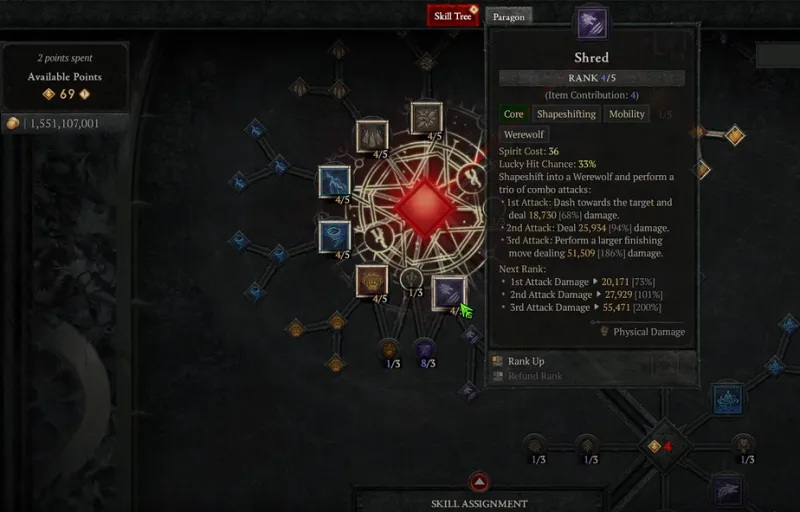
The general rule: Start transitioning your skill bar toward your endgame build around level 45–50. Not before. Your leveling skills exist to get you there fast — not to be perfect. Keep at least one high-damage AoE skill active until level 50 no matter what your endgame build looks like.
Hours 4–10 Checklist
- Reach level 25–30 by hour 8
- Unlock your first Skill Specialization (class mechanic)
- Begin socketing Gems — Rubies for HP in armor, Skulls if available
- Identify and start using any Legendary that drops with a useful aspect — don't hoard
- Unlock the Occultist and start imprinting Codex aspects on your weapon
Hours 10–20: The Efficiency Window
Sacred Gear and the First Real Power Spike
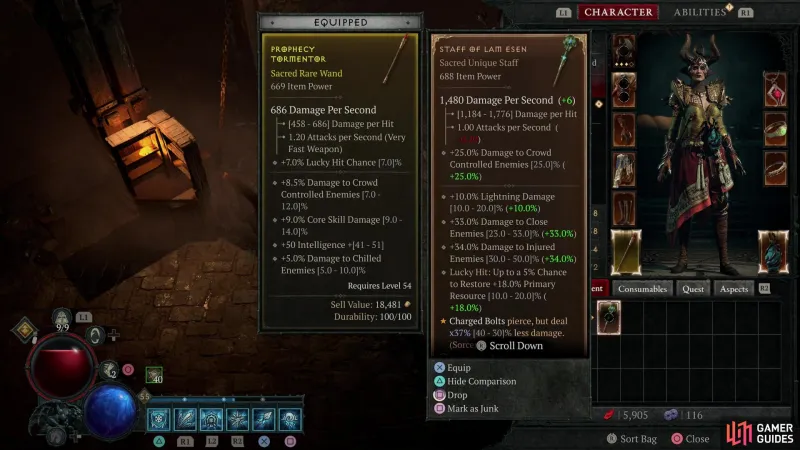
Somewhere between level 40 and 55, Sacred items start dropping. This is your first real gear checkpoint. Don't over-invest in crafting or upgrading non-Sacred pieces — they're temporary. Upgrade your weapon once or twice if it's Sacred and you'll be using it for more than five levels. Everything else, just equip and move on.
Nightmare Sigil Prep
You want to be running Nightmare Dungeons as soon as humanly possible. The Glyph XP they provide is the single biggest power multiplier in the game at this stage. Here's the sequence:
- Complete the main campaign or reach World Tier 3 via the Cathedral of Light capstone dungeon (target: level 50–55)
- Immediately run a Nightmare Dungeon at Tier 1–5 to start Glyph leveling
- Don't push Nightmare Tier too fast — dying wastes more time than running a lower tier efficiently
Hours 10–20 Checklist
- Reach World Tier 3 by hour 16 (competitive players aim for hour 12)
- Complete your first Nightmare Dungeon
- Socket your first Glyph
- Begin running Tree of Whispers caches for targeted loot
- Swap fully to your endgame skill setup by level 55
- Start identifying which two Glyphs are core to your build and focus NM dungeons around leveling those
Hours 20–48: The Endgame Sprint
World Tier 4 and Ancestral Gear
The Fallen Temple capstone dungeon unlocks World Tier 4. Target this around level 70–75. Ancestral gear starts dropping here, and this is when your build actually begins to feel like itself. Don't rush into WT4 before you're ready — getting one-shot in the capstone and having to repeat it burns serious time.
Signs you're ready for WT4:
- You're not dying in WT3 Nightmare Tier 20+
- Your core skill feels smooth and consistent
- Your key Glyphs are at least Rank 5–8
Pit Entry and the Final Push
Once you're in WT4, your goal shifts to Masterworking and Pit progression. Run Nightmare Dungeons to level Glyphs, run Pit to get Masterworking materials, and run Infernal Hordes for targeted Ancestral drops.
Hours 20–48 Checklist
- Reach level 80–90 by hour 36
- Complete WT4 capstone dungeon
- Enter the Pit for the first time
- Begin Masterworking your two best weapons
- Push Nightmare Dungeon tier until your core Glyphs hit Rank 15
- Run your first Uber boss attempt if materials are available
- Finalize your Paragon board layout with your actual gear stats in mind
The One Mistake That Kills 48-Hour Runs
Spending more than 20 minutes in town. Seriously. Inventory management, crafting decisions, and comparing gear rolls are time sinks disguised as progress. Make fast decisions, keep moving, and remember: almost every gear choice you make in the first 48 hours will be replaced. Optimize your time, not your items.