Zero to Pit 80: A Realistic Two-Week Progression Roadmap for Season 7 Players Who Feel Lost
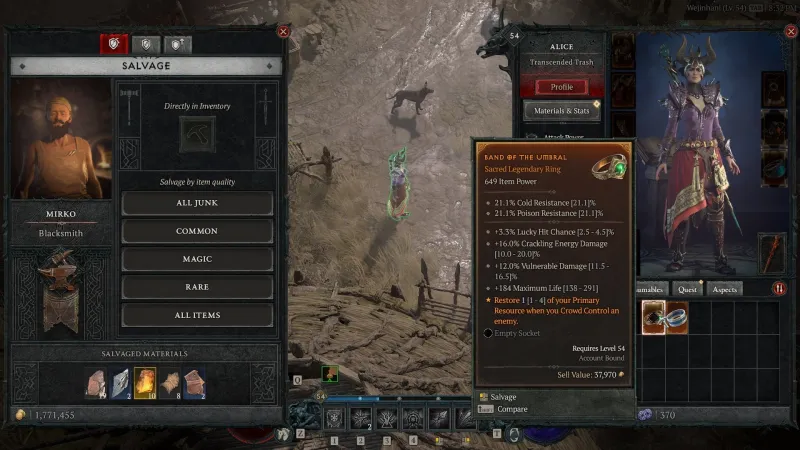
Photo: Diablo 4 player progression leveling gear upgrade endgame dungeon, via oyster.ignimgs.com
Let's be honest about something. The majority of Diablo 4 build guides on the internet are written for players who already have most of the puzzle solved. They assume you've got capped resistances, a full set of Greater Affixes, and a Paragon board that looks like someone spent three weeks optimizing it. If that's you, great. But a huge chunk of players—especially folks picking up Season 7 mid-season or returning after a break—aren't anywhere near that point. And those guides leave them completely stranded.
This roadmap is built differently. It's designed for the player who just started, feels overwhelmed by the endgame complexity, and wants a realistic path to Pit 80 without burning out or spinning their wheels in mid-game purgatory.
Week One: Stop Worrying About Optimization
Here's the thing most players get wrong in their first week: they try to optimize too early. They read a build guide, see the recommended Legendary Aspects, and spend hours hunting specific items instead of just playing the game.
Don't do that.
Days 1-3: Campaign and Early Seasonal Content
Your only job in the first few days is to reach level 50 and unlock World Tier 3. Don't stress about your build. Pick a class you enjoy, slot whatever skills deal the most damage, and move forward. The campaign exists to teach you the game's systems—let it do that.
Class recommendation for newcomers: Necromancer and Sorcerer both have self-sustaining skill loops that forgive early gear gaps. Barbarian requires more investment before it feels strong. Spiritborn is powerful but has a steeper learning curve than its reputation suggests.
Days 4-5: World Tier 3 Transition
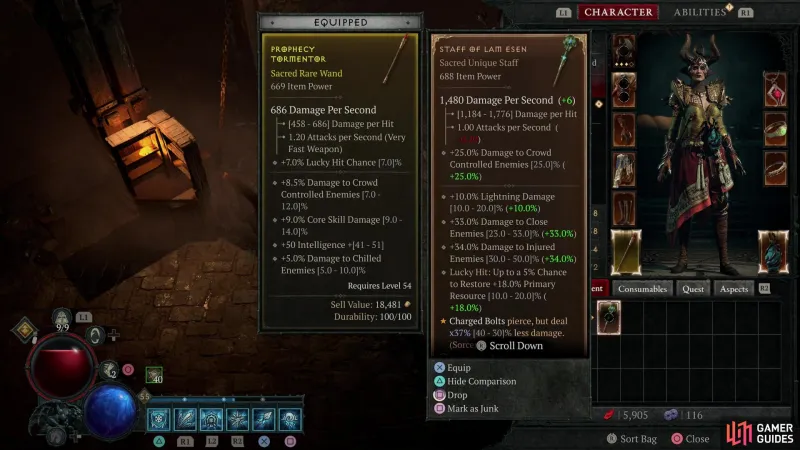
Once you hit WT3, you'll start seeing Sacred items. This is your first real gear breakpoint. Don't try to perfect your gear here—just make sure your main damage skill has a weapon or offhand that supports it, and keep your resistances above 50 percent. That's it. Resist the urge to start min-maxing.
Start running Helltides. The Cinders currency lets you target specific item slots, which is more efficient than pure RNG drops at this stage.
Days 6-7: First Dungeon Push and Codex Priorities
By end of week one, you should be approaching level 70 and starting to feel the pull of World Tier 4. Before you make that jump, make sure you've unlocked at least two or three core Legendary Aspects from the Codex of Power. These are imprinted, guaranteed—they're your training wheels until better items drop. Check the Codex for aspects that directly support your chosen skill and imprint them onto whatever gear you're currently using.
The Critical Gear Breakpoints Explained
Progression in Diablo 4 isn't linear. There are specific moments where your character's power jumps dramatically, and knowing where those moments are helps you stop grinding the wrong content.
Breakpoint 1 — World Tier 4 Access (Around Level 60-70) Ancient items start dropping. These have higher affix rolls than Sacred items. Your damage will noticeably increase just from equipping better base items, even without perfect affixes.
Breakpoint 2 — Level 100 and Paragon Board Unlocks This is where most casual players stall. Your Paragon board is doing almost nothing for the first 50-60 Paragon points because you're still routing toward the high-value nodes. Once you start hitting Rare and Legendary nodes on your second and third boards, you'll feel a second major power spike.
Breakpoint 3 — Greater Affix Items Greater Affixes (marked with a star) have significantly higher rolls than standard affixes. You don't need full Greater Affix gear to push Pit 80—one or two pieces on your most important slots (weapon and amulet, typically) make a substantial difference.
Week Two: The Pivot to Endgame Optimization
Days 8-10: Nightmare Dungeons and Pit Calibration
Stop running Helltides as your primary activity. At this point, Nightmare Dungeons and low-level Pit runs are more efficient for both experience and targeted loot. Start at Pit Tier 30-40 and push until you're dying regularly. That's your current ceiling—and now you have specific data about what's killing you.
Are you dying to damage spikes? You need more armor or life. Are your cooldowns too long? You're missing cooldown reduction affixes. Are elites surviving too long? Your damage scaling has a gap somewhere.
Days 11-12: Targeted Loot Farming
Now—and only now—is when you start hunting specific items. You have a real build running, you know what's limiting you, and you can make intelligent decisions about what to chase. Use the Purveyor of Curiosities for targeted slot gambling. Run Whispers for Obols. Focus your Helltide Cinders on the two or three slots where you most need upgrades.
Days 13-14: Pit 80 Push
By day 13, a player following this roadmap realistically should have a functional endgame build with solid (not perfect) gear and a Paragon board that's hitting most of its key nodes. Your first Pit 70 clear is the warmup. Pit 80 is the goal.
The most common failure point here isn't gear—it's mechanics. Pit bosses have specific patterns that punish players who haven't paid attention. Watch one five-minute video on your specific boss before attempting the push. That single investment will save you more time than any gear upgrade.
The Mindset Shift That Changes Everything
Progression in Diablo 4 feels slow until it suddenly doesn't. There's a specific moment—usually around day 10 or 11 for players following this roadmap—where everything clicks. Your build starts one-shotting packs. Your survivability feels effortless. Content that felt impossible a few days ago becomes farmable.
That moment is the payoff. It doesn't come from finding the perfect guide on day one. It comes from building toward it systematically. Trust the process, and Pit 80 is absolutely reachable in two weeks—even if you're starting from scratch right now.